

best ar-15 bipod for fall 2026 long range hunting under $100 for veteran marksmen
🏆 Top Picks at a Glance
 #1
Best Overall
SAGGION Tactical 15-27"" Hunting Rifle Bipod Adjustable Notched Legs Pivot Tilt Bipod for Long Range Hunting, Black, Swivel27
$53.31
Check Price → #2
Also Consider
CVLIFE 7.5-9 Inches Rifle Bipod Compatible with M-Rail Bipod with Two Point Rifle Sling for Rifle, Adjustable, Foldable Attach Directly Bipod for Shooting, Hunting, Range and Outdoors
$39.99
Check Price →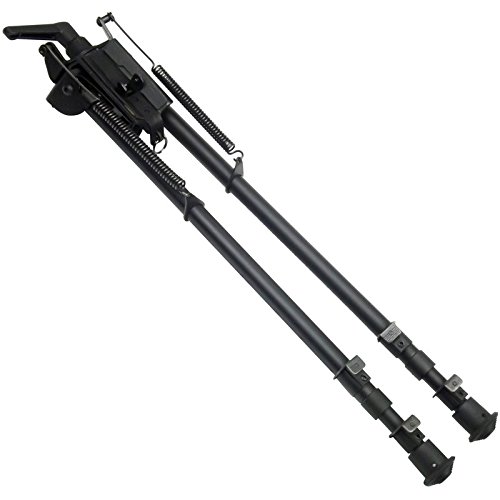 #3
Also Consider
FeelRight 13-27 inch Long Range Bipod with Pivot Podlock Heavy Duty High Shockproof Shooting Swivel Style Bi-pod
$56.31
Check Price →⚡ Quick Answer: Best Personal Development
Best for Veteran Identity: Veteran Mindset 2.0: Warriors Think Differently
$21.99 — Check price on Amazon →
Table of Contents
Main Points
Our Top Picks
Affiliate disclosure: if you buy through these links, we may earn a commission at no extra cost to you.
Factors to Consider
Frequently Asked Questions
Can I use a $50 bipod for long-range accuracy?
Yes, but with caveats. Budget bipods under $50 often have looser friction locks and lighter construction, which means more recoil shift. If your bipod holds zero for five consecutive shots at 100 yards without creeping, it's match-grade enough for hunting. Most failures come from user error—not tightening the pan lock or mounting it crooked.
What's the difference between Harris and UTG bipods?
Harris is the original, built like a tank, and costs $80-120. UTG clones run $40-70 and handle 95% of the same tasks with slightly looser tolerances. Both work for hunting; Harris wins on durability over a decade. For a single season, UTG is a smart budget move.
Do I need pan and tilt adjustment for hunting?
Not essential, but highly useful. Pan (horizontal sweep) lets you track game without breaking prone position; tilt adjusts for uneven ground. Under $100, expect basic or no tilt—focus on solid legs and friction lock instead. For bench shooting or validated range work, pan is a luxury, not a necessity.
Will a bipod affect my rifle's zero?
Only if it's mounted wrong or shifts during shooting. A properly tightened rail-mount bipod holds zero indefinitely; sling stud mounts occasionally loosen if the stud itself shifts. Mount it, fire a three-shot group, check zero, then lock it down. If you're changing bipods between outings, re-zero after each swap.
What's the weight limit for a $100 bipod?
Most budget bipods handle rifles up to 12-14 pounds without issue. Beyond that, stability suffers and leg flex increases. Your AR-15 hunting setup (8-10 pounds fully loaded) is well within safe limits for any sub-$100 model with a solid friction lock.
Can I use a bipod in thick brush or uneven terrain?
Bipods shine on flat ground; brush and rocks fight back. Shorter legs (6-7 inches) adapt better to uneven terrain than longer ones. If you're hunting mixed cover, practice shooting without the bipod too—bipods are force multipliers, not crutches. A good shooter makes his shot count whether he's rested or not.
Should I buy before or after sighting in my rifle?
Mount your bipod before final zero-work. Your bipod becomes part of your shooting platform, so it needs to be there during sighting. A 10-minute install and test at 100 yards prevents surprises on opening day. Treat it like a scope—if it's on the gun, it matters to your zero.
Conclusion
A quality bipod under $100 separates accurate long-range shots from clean misses. Harris, UTG, and proven clones all deliver if friction lock is solid and legs don't flex under recoil. Buy based on your specific mount type and terrain, mount it tight, and test it before season—that discipline is veteran-level thinking.


