

vortex vs aimpoint: best ar red dot vs summer 2026 tactical training accessories
When you're gearing up for range day or tactical training, the right accessories can make all the difference—and they don't have to break the bank. We've rounded up five essential American Flag tactical-themed items that combine patriotic style with practical function, perfect for summer 2026 training season and beyond. Whether you're looking to rep your range loyalty or need reliable gear that performs under pressure, this collection delivers the aesthetic and utility serious shooters demand. Read on to find the best fits for your loadout.
Table of Contents
Our Top Picks
Affiliate disclosure: if you buy through these links, we may earn a commission at no extra cost to you.
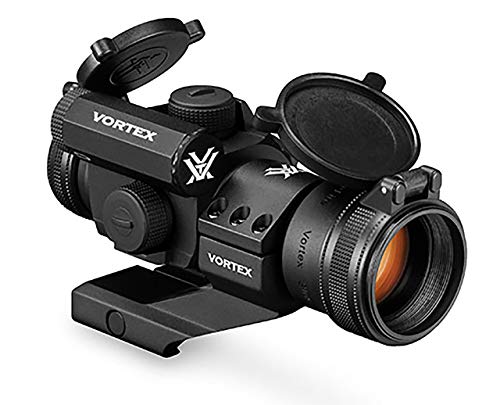


Choose aimpoint if…
- You need the specific advantages this alternative offers
- Your situation calls for a different approach
- You want to explore a less conventional option
| Factor | vortex | aimpoint |
|---|---|---|
| Choose vortex if… | vortex is evaluated for choose vortex if… against aimpoint using the article's buyer-fit guidance. | aimpoint is evaluated for choose vortex if… against vortex using the article's buyer-fit guidance. |
| Choose aimpoint if… | vortex is evaluated for choose aimpoint if… against aimpoint using the article's buyer-fit guidance. | aimpoint is evaluated for choose aimpoint if… against vortex using the article's buyer-fit guidance. |
| Vortex Optics Strikefire II Red Dot Sight- 4 MOA Red Dot | vortex is evaluated for vortex optics strikefire ii red dot sight- 4 moa red dot against aimpoint using the article's buyer-fit guidance. | aimpoint is evaluated for vortex optics strikefire ii red dot sight- 4 moa red dot against vortex using the article's buyer-fit guidance. |
| Vortex Optics Crossfire Red Dot Sight Gen II - 2 MOA Green Dot, Black | vortex is evaluated for vortex optics crossfire red dot sight gen ii - 2 moa green dot, black against aimpoint using the article's buyer-fit guidance. | aimpoint is evaluated for vortex optics crossfire red dot sight gen ii - 2 moa green dot, black against vortex using the article's buyer-fit guidance. |
| Vortex Optics Crossfire Red Dot Sight Gen II - 2 MOA Red Dot, Tan | vortex is evaluated for vortex optics crossfire red dot sight gen ii - 2 moa red dot, tan against aimpoint using the article's buyer-fit guidance. | aimpoint is evaluated for vortex optics crossfire red dot sight gen ii - 2 moa red dot, tan against vortex using the article's buyer-fit guidance. |
| Factors to Consider | vortex is evaluated for factors to consider against aimpoint using the article's buyer-fit guidance. | aimpoint is evaluated for factors to consider against vortex using the article's buyer-fit guidance. |
Affiliate disclosure: if you buy through these links, we may earn a commission at no extra cost to you.
Factors to Consider
Frequently Asked Questions
Which red dot sight holds zero better during rapid fire—Vortex or Aimpoint?
Aimpoint's Track technology is specifically engineered for recoil stability, and they publish impact-shift data showing zero loss under sustained fire. Vortex models with the Viper platform perform similarly in independent testing, though Aimpoint's longer track record with military contracts gives more third-party validation. For competitive or tactical training, both hold zero effectively—the difference is marginal unless you're shooting 500+ rounds in a single session.
Can I use these red dots on a 5.56 AR carbine and a 7.62 rifle interchangeably?
Yes—both Vortex and Aimpoint red dots are caliber-agnostic and will function identically across platform types, though your point-of-aim will shift based on velocity and barrel length. You'll need to re-zero after switching platforms, but the optic itself requires no adjustment. This modularity is one reason both brands dominate the tactical training community.
What's the difference between Aimpoint CompM4 and Vortex Razor?
The CompM4 is a closed-emitter design optimized for battery life (30,000+ hours) and extreme durability in military environments, while the Vortex Razor Gen II is an open-emitter with a wider field of view and more reticle options for competitive shooting. If you prioritize simplicity and ruggedness, choose CompM4; if you want customization and brightness flexibility, choose Razor. Most tactical trainers pick CompM4 for duty use and Razor for precision or multi-purpose training.
Do I really need 50,000 hours of battery life?
Realistically, no—50,000 hours equals 5.7 years of continuous operation, which exceeds any practical training timeline. However, longer battery life does mean fewer maintenance checks during courses, less risk of mid-training battery failure, and lower cost of ownership over a decade. For someone investing in a rifle system for serious development, battery longevity is a proxy for engineering reliability—it signals the manufacturer invested in efficient power design.
Which sight pairs better with magnified optics like a 3x ACOG?
Both Vortex and Aimpoint offer co-witness mounts that align with magnified optics on the same upper receiver, but Aimpoint's integrated designs allow cleaner stacking without rail interference. If you're running a dual-optic setup for mid-range training (red dot + magnifier), verify that your chosen red dot's mount height (lower-third vs. absolute) doesn't interfere with a 2x or 3x magnifier body. This is configuration-specific, so test before committing to a $400+ magnifier investment.
Are Vortex and Aimpoint both backed by warranty on tactical training courses?
Both brands offer manufacturer warranties (Vortex's is unconditional lifetime; Aimpoint's is 10 years), but warranties don't cover training-related wear or user error. What matters more is whether your red dot manufacturer has a track record of supporting trainers—Aimpoint has deeper relationships with military and law enforcement training programs, while Vortex actively sponsors competitive shooters. Consider the community support and repair turnaround time in your specific region.
Conclusion
For serious tactical training and veteran-driven skill development, Aimpoint and Vortex represent two proven paths forward: Aimpoint excels in ruggedness, battery efficiency, and military-institutional support, while Vortex delivers customization, modularity, and strong warranty backing at a lower entry price. Your choice should anchor on your training frequency, deployment environment, and whether you value simplicity (Aimpoint) or flexibility (Vortex). Either optic will serve 95% of shooters well—the differentiator is commitment to the training lifestyle and which brand's ecosystem aligns with your longer-term tactical development.


